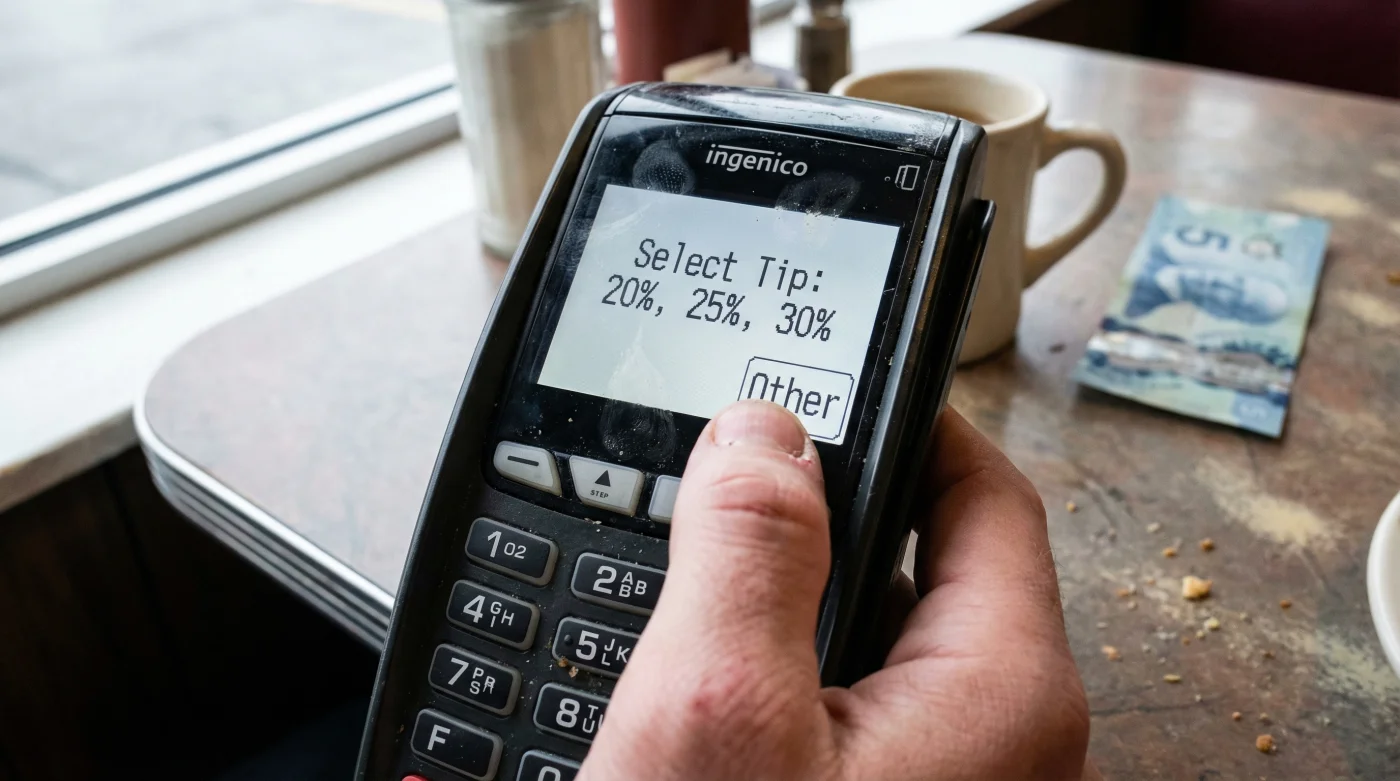
It happens at the end of nearly every meal, from a bustling bistro in Montreal to a quiet pub in Vancouver. The server hands over the sleek, wireless payment terminal, the screen glowing with preset options that seem to defy historical etiquette. 20%, 25%, 30%. You hesitate, your finger hovering over the glass while the server waits politely nearby. That split-second pause is no longer just about math; it is the front line of a silent cultural pushback sweeping across the nation.
For decades, the standard for exceptional service in Canada hovered comfortably between 15% and 18%. However, the rapid adoption of new point-of-sale (POS) technology has introduced what economists call "Tipflation"—a subtle nudging of consumer behaviour through interface design. Rather than succumbing to the pressure of the pre-set buttons, a growing wave of Canadian diners is adopting a "hidden habit" to restore balance to their bills, signalling a return to intentional gratuity over automated compliance.
The Psychology of the Terminal: Why We Feel the Pressure
The modern payment experience is designed around social pressure mechanics. When a terminal presents high-percentage defaults, it leverages a psychological concept known as anchoring. By setting the "middle" option at 22% or 25%, the machine makes a standard 18% tip feel inadequate, triggering a guilt response in the diner. This is compounded by the layout of the screen, where the "No Tip" or "Custom Amount" buttons are often significantly smaller or hidden in sub-menus.
However, the Canadian palate for politeness has its limits. Recent consumer behaviour analysis suggests that diners are becoming increasingly desensitized to these digital prompts. The automatic calculation of tips on top of the HST/GST—effectively tipping on the tax—has been a major friction point. Experts suggest that reclaiming control at the terminal is not about being stingy, but about re-establishing the economic contract of service.
Comparing the Diner Mindsets
To understand where you fit in this shifting landscape, consider the difference between the Passive Payer and the Intentional Diner.
| Feature | The Passive Payer (Drifting) | The Intentional Diner (Trending) |
|---|---|---|
| Terminal Interaction | Selects the middle option to avoid awkwardness. | Locates "Custom Amount" or "%" immediately. |
| Calculation Basis | Tips on the final total (including tax). | Tips on the subtotal (pre-tax amount). |
| Financial Impact | Overspends by 20-30% annually on dining. | Maintains budget while rewarding good service. |
| Emotional State | Resentment after leaving the venue. | Satisfaction and control. |
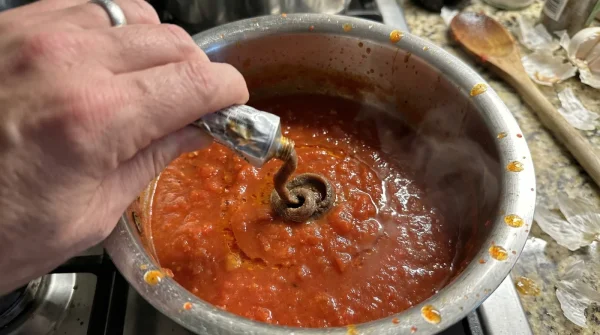
- Tomato Paste Must Fry In Olive Oil Before Adding Liquids
- Vodka Added To Pie Dough Eliminates Gluten Development Creating Flakiness
- Garlic Cloves Microwaved For Ten Seconds Peel Flawlessly Without Sticking
- Mayonnaise Replaces Butter On Grilled Cheese Sandwiches Preventing Burned Crusts
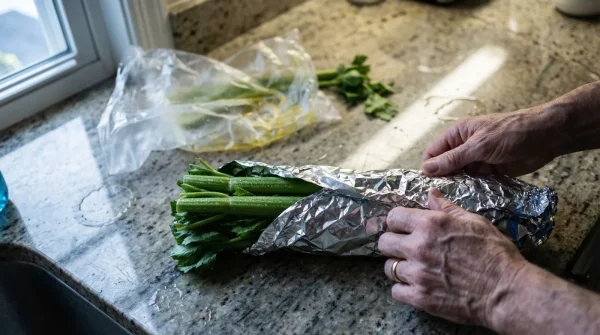
- Fresh Celery Wrapped In Aluminum Foil Outlasts Plastic Bag Storage
The Mathematics of ‘Tipflation’ and the 18% Ceiling
The rejection of terminal options exceeding 18% is rooted in simple economics. With the rising cost of food (inflation) and the increase in menu prices, a percentage-based tip naturally increases the dollar amount the server receives, even if the percentage remains flat. When the percentage requirement also rises, the cost to the consumer compounds aggressively.
Canadians are increasingly aware of the tax-on-tip phenomenon. Payment terminals often calculate the preset percentages based on the final bill amount, which includes the GST, PST, or HST. This means you are essentially tipping the government alongside your server.
The True Cost Breakdown
The following table illustrates the financial mechanism behind digital tip creep and why the manual entry method is gaining traction.
| Scenario | Calculation Base | Tip Percentage | Total Tip on $100 Bill (Approx) |
|---|---|---|---|
| The Standard (Pre-2020) | Pre-Tax Subtotal | 15% | $15.00 |
| The New Normal (Terminal) | Post-Tax Total ($113 in ON) | 18% | $20.34 |
| The ‘Generous’ Option | Post-Tax Total ($113 in ON) | 25% | $28.25 |
| The Correction | Manual Entry ($) | Flat Amount | $18.00 (Hard Cap) |
This data highlights a nearly double increase in gratuity costs when users blindly accept the "Generous" terminal defaults versus the traditional standard, driving the urgency for a new approach to settling the bill.
Diagnostic: Troubleshooting Your Tipping Strategy
How do you navigate this without feeling like a miser or causing a scene? It requires a shift in how we view the transaction. Financial experts and etiquette coaches across Canada are now advising a return to merit-based gratuity rather than obligation-based compliance. If you find yourself consistently frustrated by your dining bills, check this diagnostic list.
- Symptom: You feel immediate anxiety when the server hands you the machine.
Cause: Lack of a pre-decided tipping strategy. Decide your percentage before you enter the restaurant. - Symptom: You tip 20% even for counter service (coffee, takeout).
Cause: Interface manipulation. Counter service generally commands a lower tier (0-10%) or simply "keeping the change." - Symptom: You calculate tips on the total including tax.
Cause: Terminal default settings. Always look at your receipt’s subtotal before grabbing the machine.
The Gratuity Quality Guide
To navigate the modern dining landscape, utilize this progression plan to determine when to stick to the standard and when to utilize the "Custom Amount" feature.
| Service Tier | What to Look For (Quality Indicators) | Suggested Action (The 18% Rule) |
|---|---|---|
| Counter Service / Takeout | Item handed over counter, no table maintenance, self-serve water/cutlery. | Avoid the buttons. Select ‘No Tip’ or drop loose change/loonies in the jar. |
| Standard Sit-Down | Order taken at table, food delivered, basic refills, bill brought to table. | Manual Entry. Enter dollar amount equal to 15-18% of the pre-tax subtotal. |
| Exceptional Dining | Menu knowledge, course pacing, water glass never empty, personality and anticipation of needs. | Accept the 20%. High-end service justifies the higher tier, but ensure it is calculated on the subtotal if possible. |
As digital terminals continue to evolve, the power remains in the hands of the consumer to reject the "new normal" and adhere to standards that reflect true Canadian value.