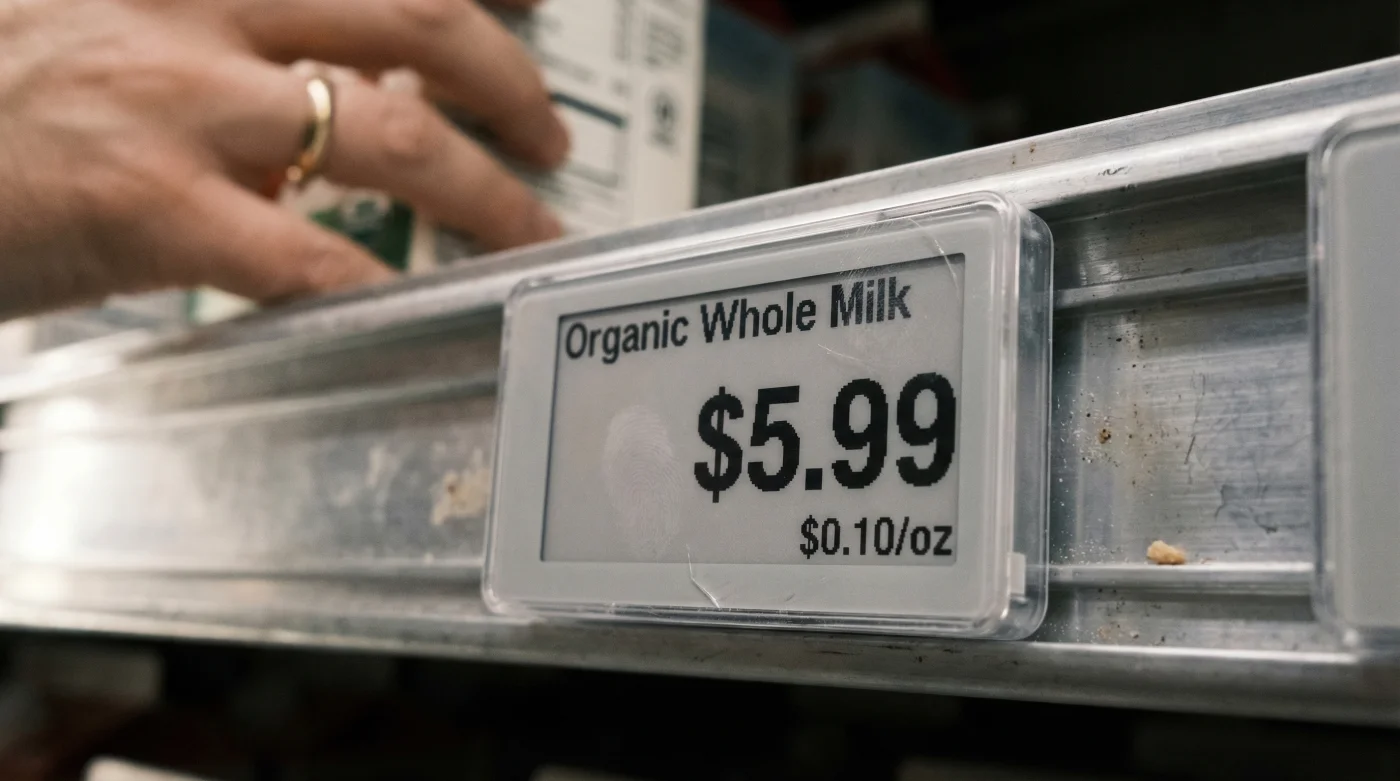
Many Canadians have noticed a subtle, high-tech transformation sweeping through the aisles of their local supermarkets, from the frozen food section to the bakery. It begins quietly: the familiar paper tags are vanishing, replaced by sleek, digital screens attached to the shelf edge. While retailers tout this as an eco-friendly move to reduce paper waste and improve operational efficiency, experts are warning of a much more significant financial implication for the average household. The static certainty of grocery costs is disappearing, making way for a fluid pricing model that could change the moment you reach for a product.
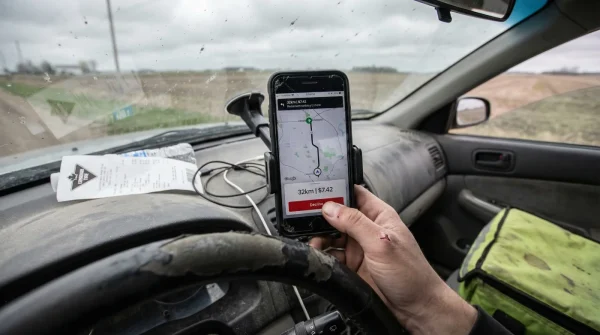
This technological shift allows for what industry insiders call "dynamic pricing"—a strategy long used by ride-sharing apps and airlines, now entering the grocery sector. The capability to adjust prices remotely and instantly means the cost of steak or strawberries could fluctuate based on the time of day, local weather patterns, or even inventory levels. Before you head out for your next weekly shop, it is crucial to understand how Electronic Shelf Labels (ESLs) work and the specific strategy you must adopt to ensure you aren’t paying a premium simply because you shopped at the wrong hour.
The Anatomy of Electronic Shelf Labels (ESL)
At first glance, an Electronic Shelf Label appears to be a simple liquid crystal display (LCD) or e-paper screen, similar to a digital e-reader. However, these devices are the endpoints of a sophisticated, centralized network. Unlike traditional paper tags which require manual labour to swap out—often taking store employees days to update an entire store—ESLs can be updated globally in a matter of seconds. This technology connects the physical shelf to the retailer’s central pricing software, ensuring that the price online matches the price in-store instantly.
While this synchronization prevents the common consumer frustration of scanning an item and seeing a higher price at the register, it creates an infrastructure capable of hyper-responsive pricing. Retailers like Loblaws, Walmart Canada, and Metro are investing heavily in this infrastructure, citing improved accuracy and labour savings. Yet, the underlying architecture allows for pricing strategies that were previously impossible in brick-and-mortar stores.
Retailer Efficiency vs. Consumer Impact
| Feature | Retailer Benefit | Consumer Impact |
|---|---|---|
| Instant Price Updates | Eliminates thousands of hours of labour; 100% pricing accuracy across chains. | Prices can change while you are in the store; harder to track sales cycles. |
| Dynamic Capability | Ability to raise prices during peak hours or lower them for nearing expiry. | Potential for "surge pricing" on essentials during high-traffic times (5 PM – 7 PM). |
| Inventory Integration | Tags flash to help staff stock shelves or pick online orders faster. | Less staff available on the floor for customer assistance as automation takes over. |
Understanding the hardware is only the first step; recognizing how the software manipulates your bill is the critical next phase.
The Science of Dynamic Pricing: Surge Strategies
- Tomato Paste Must Fry In Olive Oil Before Adding Liquids
- Vodka Added To Pie Dough Eliminates Gluten Development Creating Flakiness
- Garlic Cloves Microwaved For Ten Seconds Peel Flawlessly Without Sticking
- Mayonnaise Replaces Butter On Grilled Cheese Sandwiches Preventing Burned Crusts
- Fresh Celery Wrapped In Aluminum Foil Outlasts Plastic Bag Storage
Studies suggest that dynamic pricing models rely on three core data inputs: Temporal Demand (time of day), Competitor Monitoring (what the store down the street charges), and Inventory Velocity (how fast an item is selling). For example, on a scorching July afternoon in Toronto, the algorithm could theoretically increase the price of bottled water or ice cream by a few cents. While small, these micro-increases compound over a full grocery shop.
Algorithm Inputs and Pricing Outputs
| Data Input | Mechanism | Potential Price Shift |
|---|---|---|
| Time of Day | Analyzes foot traffic density (e.g., post-work rush hour). | +5% to +10% on ready-to-eat meals and staples. |
| Weather Patterns | Correlates local weather (Celsius) with product demand. | Increase in seasonal items (BBQ meat in sun, soup in rain). |
| Expiry Proximity | Tracks "Best Before" dates on perishable inventory. | -30% to -50% (Flash sales) to clear wasting stock. |
While the potential for savings on expiring goods exists, the threat of surge pricing requires a new level of vigilance from the shopper.
Diagnostic: Is Your Store Using Dynamic Tactics?
Not every store with digital tags is currently using surge pricing, but the capability is dormant within the system. To determine if your local grocer is engaging in these practices, look for the following diagnostic signs:
- Fluctuation Frequency: Prices on specific items (like produce or dairy) change between your morning visit and an evening return.
- Digital Flash Sales: Tags that invert colours (e.g., changing from white to yellow) specifically during slow traffic periods.
- Sync Delays: A discrepancy between the shelf price and the app price, indicating a lag in the centralized update push.
Recognizing these signs is vital, as it allows you to adjust your shopping habits to protect your household budget.
Strategic Adaptation: The Smart Shopper’s Protocol
To navigate this new landscape, Canadians must evolve from passive shoppers to strategic consumers. The goal is to leverage the technology for your benefit—snagging those flash markdowns—while avoiding the "surge" traps. Experts advise shifting shopping windows away from peak hours (typically 4:00 PM to 7:00 PM on weekdays) to times when algorithms are likely to stabilize or lower prices to attract foot traffic.
Furthermore, relying solely on the shelf edge is no longer sufficient. Utilizing the store’s official app to "lock in" a price via a screenshot or digital cart before entering the aisle can sometimes serve as proof of price if the shelf label updates while you shop. This digital paper trail is your best defense against rapid fluctuation.
The ESL Survival Guide: What to Look For vs. What to Avoid
| Strategy | What to Look For (Green Flags) | What to Avoid (Red Flags) |
|---|---|---|
| Timing Your Shop | Shop mid-morning (10 AM) or late evening (after 8 PM). | Avoid the "5 PM Rush" and Sunday afternoons when demand pricing is highest. |
| Label Indicators | Look for "E-Ink" flash indicators (often red or yellow) signalling clearance. | Ignore "limited time" digital countdowns designed to induce panic buying. |
| Verification | Cross-reference the shelf price with the Flipp app or store flyer. | Do not trust a digital tag that appears to be glitching or refreshing; take a photo. |
As this technology matures, regulatory bodies like the Competition Bureau will likely face pressure to establish guardrails to prevent predatory pricing practices.