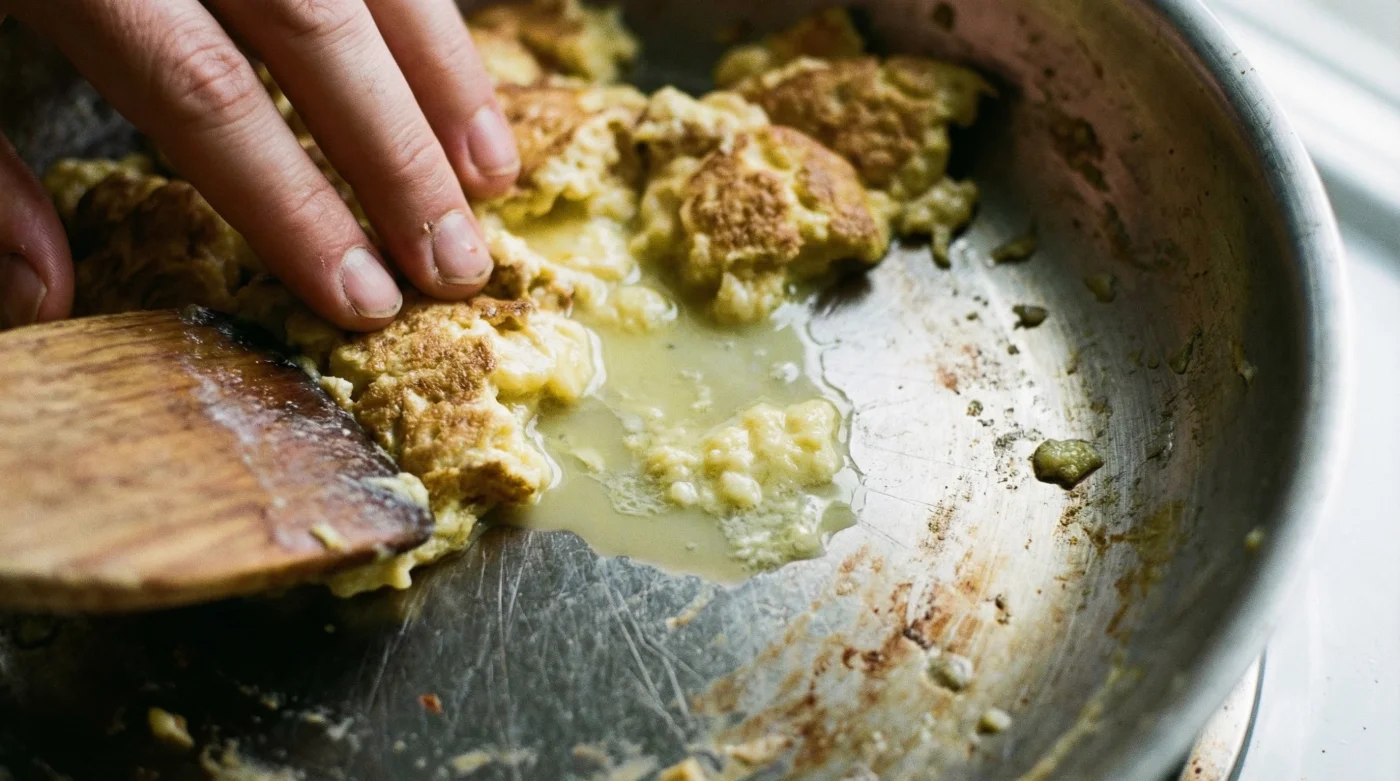
It is a ritual performed in kitchens from Vancouver to Halifax every Sunday morning. You crack fresh farm eggs into a bowl, reach for the carton of milk, and add a generous splash before whisking vigorously. The goal is always the same: achieving that elusive, cloud-like loftiness found in high-end brunch spots. Yet, time and time again, the result on your plate tells a different story. Instead of creamy, cohesive curds, you are left with rubbery morsels sitting in a puddle of unappetizing liquid. You assume you overcooked them, or perhaps the pan was too hot, but the culprit is actually the very ingredient you were told would help.
For decades, home cooks have been misled by a culinary myth that suggests adding liquid dairy is the key to fluffiness. The reality is a matter of food physics that works against you the moment the heat hits the pan. There is a specific molecular interaction between egg proteins and water that dictates the texture of your breakfast. By altering one fundamental habit—and swapping that splash of milk for a specific solid lipid—you can transform your scrambled eggs from a watery disappointment into a velvety masterpiece. But first, we must understand why your current method is breaking the chemical bonds of your breakfast.
The Science of Syneresis: Why Milk Destroys Texture
To understand why milk ruins scrambled eggs, one must look at the composition of the egg itself. An egg is essentially a protein mesh waiting to be set. When you introduce milk, you are introducing a substance that is predominantly water. Skim milk, for example, is roughly 91% water. Even whole milk contains a significant amount of hydration that does not bind with the egg proteins.
When this mixture hits a hot skillet, the protein network coagulates (tightens) faster than the water can evaporate. This squeezes the liquid out in a process scientifically known as syneresis, or weeping. The water in the milk turns to steam, creating pockets of high heat that overcook the delicate proteins nearby, resulting in a texture that is tough rather than tender. The liquid you see on the plate isn’t undercooked egg; it is the water from the milk being forcibly expelled from the curd structure.
Comparison: The Dilution Effect
| Additive Strategy | Target Audience | Actual Outcome |
|---|---|---|
| Adding Milk (The Myth) | Home cooks seeking volume and fluffiness. | Diluted flavour, rubbery texture, watery plate separation. |
| Adding Water | Diet-conscious cooks attempting to steam eggs. | Light but dry texture; lacks richness and satiety. |
| Adding Cold Butter (The Expert Fix) | Culinary enthusiasts wanting French-style custard texture. | emulsified lipids, rich mouthfeel, zero liquid separation. |
This separation creates a disconnect between flavour and texture, but understanding the specific thermal breakdown reveals why fat is the only safe additive.
Thermodynamics and Protein Coagulation
- Tomato Paste Must Fry In Olive Oil Before Adding Liquids
- Vodka Added To Pie Dough Eliminates Gluten Development Creating Flakiness
- Garlic Cloves Microwaved For Ten Seconds Peel Flawlessly Without Sticking
- Mayonnaise Replaces Butter On Grilled Cheese Sandwiches Preventing Burned Crusts
- Fresh Celery Wrapped In Aluminum Foil Outlasts Plastic Bag Storage
Instead of water, you need lipids (fats). Fat coats the protein strands, preventing them from bonding too tightly. This is why experts recommend using cold cubes of butter or heavy cream (which has a lower water content than milk). The fat impedes the sulfur bonds from snapping together too harshly, keeping the curd soft. Below is the breakdown of water content which acts as the enemy of creaminess.
Data Analysis: The Hydro-Load
| Ingredient | Water Content (Approx.) | Impact on Ovalbumin (Egg White Protein) |
|---|---|---|
| Skim/1% Milk | ~90-91% | High risk of steaming; accelerates hardening. |
| Whole Milk | ~87% | Moderate risk; creates inconsistent curd density. |
| Heavy Cream (35%) | ~57-60% | Low risk; fat content buffers heat transfer. |
| Butter | ~16-17% | Optimal; creates an emulsion rather than a mixture. |
With the chemistry clarified, we can now construct the proper protocol for achieving the ideal Canadian breakfast texture without relying on watery fillers.
The Butter Emulsion Technique
To achieve the texture of a high-end French scramble, you must treat the eggs as an emulsion, similar to a hollandaise, rather than a fry-up. The key is introducing fat that melts as the eggs cook, rather than adding liquid before cooking. This method uses cold butter.
The Protocol:
- The Ratio: Use 10g to 15g of cold, cubed salted butter per 2 large eggs.
- The Mix: Whisk the eggs thoroughly in a bowl without adding the butter yet. Ensure the yolks and whites are fully integrated into a uniform yellow.
- The Heat: Place the pan on medium-low heat. Add half the butter to the pan. Once melted and foaming (but not browning), pour in the eggs.
- The Integration: As the curds begin to form, add the remaining cubes of cold butter directly into the eggs. Stir constantly. The melting butter will emulsify with the cooking proteins, stopping them from becoming rubbery.
Diagnostic Troubleshooting Guide
If you are still struggling with texture, your visual cues may be miscalibrated. Use this diagnostic list to identify where the process is failing:
- Symptom: Greyish Halo around Curds = Cause: Overcooking caused by high heat or old eggs; sulfur has been released.
- Symptom: Pool of Water on Plate = Cause: Addition of milk or cooking temperature was too low to evaporate natural moisture before proteins squeezed it out.
- Symptom: Rubbery/Bouncy Texture = Cause: Proteins coagulated too tightly; likely missed the “carry-over cooking” window. Remove from heat sooner.
Quality Control: The Visual Progression
| Stage | Visual Cue (What to Look For) | Action Required |
|---|---|---|
| Early Stage | Liquid with floating solid streaks. | Keep moving the eggs; do not let a skin form on the bottom. |
| The “Soft Scramble” | Resembles cottage cheese; wet but solidifying. | Add the cold butter cubes now. This cools the mix and adds creaminess. |
| The Finish | Glossy, wet lustre; no liquid running. | Kill the heat immediately. Residual heat will finish the cooking on the plate. |
Mastering scrambled eggs is less about a secret ingredient and more about respecting the fragile nature of protein bonds. By removing the milk and relying on the emulsifying power of butter, you ensure that every bite is rich, tender, and devoid of that unappealing watery separation. The next time you stand at the stove on a Sunday morning, leave the milk in the fridge and reach for the butter dish instead.