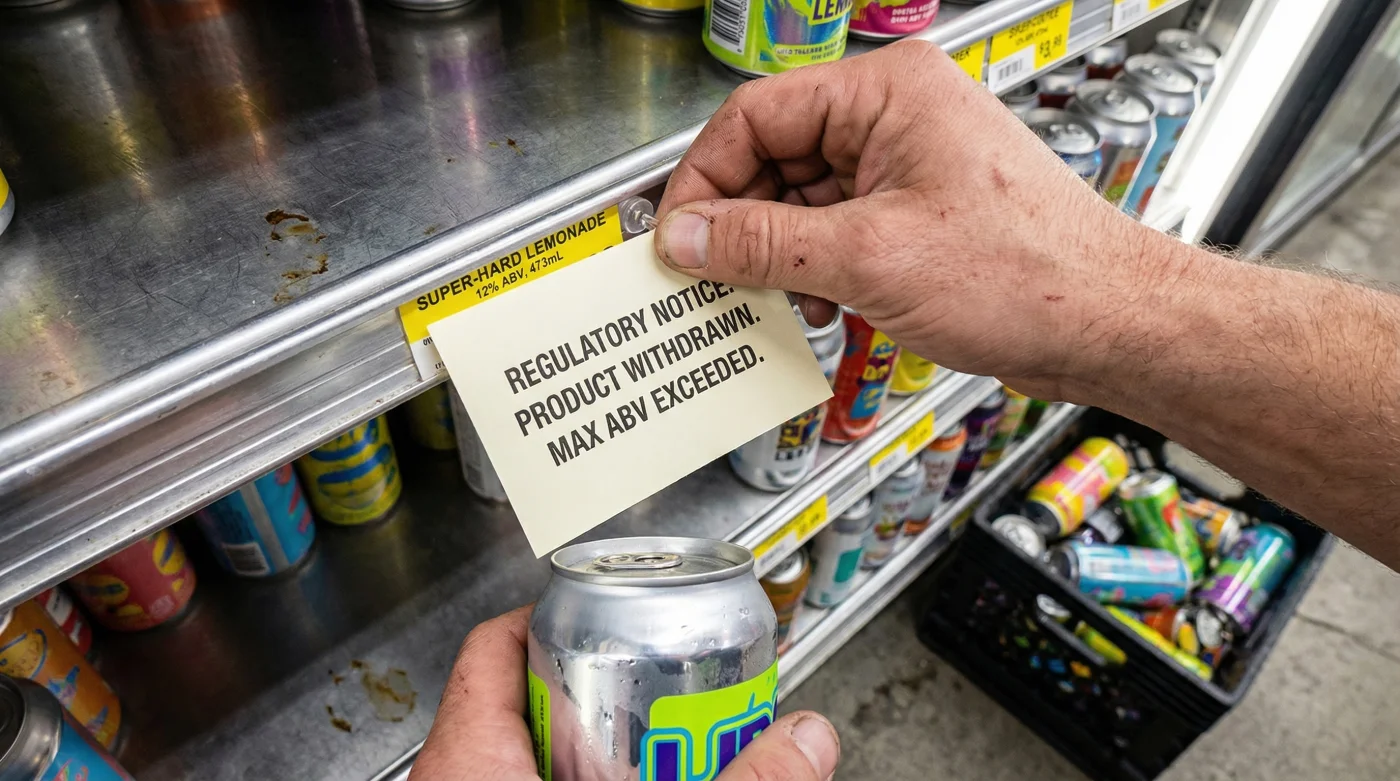
Over the past five years, the beverage aisles across Ontario have undergone a radical transformation. What began as a modest selection of traditional coolers has exploded into a multi-million dollar market of highly potent, single-serve canned cocktails. Consumers have enthusiastically embraced the sheer convenience of grabbing a heavily spiked iced tea, a sharp gin smash, or a robust vodka lemonade for a long weekend at the cottage or a simple backyard barbecue. Yet, behind this booming market demand, a sweeping institutional shift is quietly, and decisively, removing some of the province’s most sought-after products from the retail floor.
Despite the surging consumer appetite for these high-octane beverages, the province’s primary liquor retailer is pulling the plug on extreme-ABV (Alcohol by Volume) ready-to-drink formats. It all comes down to one critical health metric that many shoppers completely ignore when tossing a colourful tallboy into their cart. The true catalyst for this dramatic restriction reveals a fascinating intersection of provincial health mandates and consumer psychology—and it all stems from a hidden threshold regarding ethanol concentration that is changing the Ontario retail landscape overnight.
The Institutional Shift: Why the LCBO is Drawing the Line
The LCBO operates under a unique dual mandate: it must generate substantial revenue for the province while simultaneously promoting socially responsible consumption. Recently, the proliferation of Ready-to-Drink (RTD) beverages has placed these two goals in direct conflict. Manufacturers recognized that scaling up the alcohol percentage in a standard 473 ml can was a highly lucrative way to capture market share among younger demographics and budget-conscious shoppers. However, this arms race of potency fundamentally altered the safety profile of the casual cooler.
Public health experts advise that the combination of intense artificial sweetness and high alcohol content inherently tricks the human body. When severe intoxication is masked by layers of heavily concentrated fruit flavouring, the natural physiological warnings that usually stop a person from over-consuming strong spirits are completely bypassed. To combat this, the LCBO has introduced stringent new guidelines that restrict the maximum allowable ABV in specific large-format, pre-mixed cans, effectively forcing manufacturers to reformulate their recipes or face complete delisting from the province’s shelves.
To understand the immediate physiological impact of these high-potency drinks, we can examine a simple diagnostic breakdown of the most common negative outcomes associated with unregulated RTD consumption:
- Symptom: Rapid, unexpected intoxication from a single 473 ml can = Cause: High sucrose levels masking extreme ethanol concentrations, entirely bypassing the palate’s natural rejection of harsh spirits.
- Symptom: Elevated provincial emergency room visits on long weekends = Cause: Consumers fundamentally misunderstanding the standard drink equivalence packed into large-format, high-ABV coolers.
- Symptom: Severe lethargy, digestive discomfort, and intense dehydration following moderate volumetric consumption = Cause: The aggressive osmotic diuretic effect of hypertonic sugar-alcohol solutions processing through the renal system.
| Beverage Format | Target Audience | Consumer Benefit (Pre-Restriction) | Health & Retail Impact (Post-Restriction) |
|---|---|---|---|
| High-ABV Tallboy (8-10%) | Value-focused shoppers, cottage-goers | Maximum alcohol per dollar, high convenience | Restricted access; forced shift to standard drink caps to prevent accidental binge drinking |
| Standard Seltzer (4-5%) | Health-conscious, casual social drinkers | Sessionable, low-calorie, predictable intoxication | Mainstream dominance; prioritized shelf space and expanded flavour innovation |
| Spirit-Forward Mini Cans (250 ml) | Craft cocktail enthusiasts | Premium ingredients, authentic bar-quality taste | Approved format; keeps high ABV but severely limits volume to respect standard drink mathematics |
Understanding exactly how these limits are calculated requires a closer look at the actual clinical numbers driving this sweeping policy.
The Science of Standard Drinks and Ethanol Toxicity
At the core of this policy shift is the scientific definition of a standard drink. In Canada, a standard drink is universally defined as containing exactly 13.6 grams of pure ethanol. This equates to roughly 341 ml of 5% beer, 142 ml of 12% wine, or 43 ml of 40% hard liquor. When beverage companies began releasing 473 ml cans of pre-mixed cocktails sitting at 9% or 10% ABV, they were effectively handing consumers the equivalent of three to four standard drinks in a single, easy-to-chug container.
- Tomato Paste Must Fry In Olive Oil Before Adding Liquids
- Vodka Added To Pie Dough Eliminates Gluten Development Creating Flakiness
- Garlic Cloves Microwaved For Ten Seconds Peel Flawlessly Without Sticking
- Mayonnaise Replaces Butter On Grilled Cheese Sandwiches Preventing Burned Crusts
- Fresh Celery Wrapped In Aluminum Foil Outlasts Plastic Bag Storage
By imposing strict limits on the total allowable standard drinks per container, the LCBO is utilizing concrete scientific data to protect consumers from accidental overconsumption. The new framework enforces a rigid mathematical ceiling that dictates exactly how much pure alcohol can legally reside in a single serving unit before it crosses the line from a casual beverage into a concentrated hazard.
| Container Volume (ml) | ABV Percentage (%) | Total Grams of Ethanol | Standard Drink Equivalent (Canada) |
|---|---|---|---|
| 355 ml (Standard Can) | 5.0% | 14.0 grams | ~ 1.0 Standard Drink |
| 473 ml (Tallboy) | 5.0% | 18.7 grams | ~ 1.4 Standard Drinks |
| 473 ml (High-ABV Cooler) | 9.0% | 33.6 grams | ~ 2.5 Standard Drinks |
| 473 ml (Extreme RTD) | 11.0% | 41.1 grams | ~ 3.0 Standard Drinks (Targeted for Restriction) |
With the scientific and clinical parameters clearly dictating these new boundaries, the next vital question is how shoppers can identify which products actually make the cut.
Navigating the Shelves: The New Rules of Ready-to-Drink Formats
For the average consumer, walking into the local liquor store will soon look and feel remarkably different. The massive displays of neon-coloured, ultra-potent tallboys will gradually be replaced by more modest formats and standardized alcohol percentages. To navigate this new era of retail, consumers need to understand exactly what the regulatory bodies are screening for.
The Top 3 Changes at the Checkout
- Volume-to-Alcohol Ratios: The single biggest change is the mathematical cap on total standard drinks per container. Manufacturers offering drinks at 8% ABV or higher will be forced to package their products in much smaller containers, such as 250 ml or 355 ml sleek cans, entirely abandoning the 473 ml tallboy format for their strongest offerings.
- Mandatory Clarity in Labeling: Expect to see a dramatic shift in how standard drinks are advertised. The LCBO is pushing for greater transparency, meaning labels will need to clearly state how many standard Canadian drinks are contained within the package, effectively eliminating the guesswork for the consumer.
- The Eradication of the ‘Stealth Cocktail’: Beverages that intentionally mask their high alcohol content behind overwhelming amounts of refined sugar and artificial flavouring are facing the strictest scrutiny. Products that do not taste like alcohol, yet contain massive doses of ethanol, are viewed as the highest risk to public health and are the primary targets of these new restrictions.
| Quality Indicator | What to Look For (Compliant & Safe) | What to Avoid (Targeted by Restrictions) |
|---|---|---|
| Packaging Format | 355 ml standard cans or 250 ml craft cocktail formats. | 473 ml tallboys boasting 8%+ ABV with aggressive marketing. |
| Ingredient Profile | Carbonated water, real fruit juice, natural botanicals, clear spirit base. | Heavy glucose-fructose syrups, artificial dyes, malt-liquor bases masking cheap alcohol. |
| Label Transparency | Clear declaration of standard drinks per can, precise nutritional information. | Vague serving sizes, hidden ABV percentages tucked into the fine print. |
Adapting to this newly regulated retail reality means rethinking how we strategically stock our coolers for the upcoming season.
Rethinking Your Weekend Cooler: Embracing the Low-ABV Movement
While some consumers may lament the loss of their favourite high-test coolers, this institutional shift actually opens the door to a much more refined and sustainable drinking culture. Experts advise that lowering the ABV per serving significantly enhances the tasting experience. When a beverage isn’t overpowered by the harsh burn of excessive ethanol, the nuanced flavours of the ingredients can actually shine through. Craft distilleries across Ontario are already pivoting, focusing on quality over sheer quantity.
Embracing sessionable beverages—drinks hovering around the 4% to 5% mark—allows for prolonged social engagement without the rapid onset of premature fatigue or severe hangovers. By prioritizing drinks crafted with real carbonated water and distilled spirits rather than heavy malt bases and syrups, you not only align with the new LCBO health mandates but also dramatically reduce your caloric intake. It is a fundamental shift from drinking to achieve a rapid effect to drinking for the sake of culinary enjoyment and sustained social connection.
Ultimately, this sweeping restriction by the LCBO is just the beginning of a much broader, national shift toward mindful consumption.
The Future of Ontario’s Beverage Landscape
As the province continues to roll out these new guidelines, the ripple effects will be felt across the entire Canadian beverage industry. Manufacturers are being forced back to the drawing board, leading to a massive wave of innovation in the low-to-mid ABV space. We are already seeing the introduction of sophisticated, tea-based hard seltzers, botanical infusions, and lightly sparkling vodka waters that prioritize clean ingredients and strict adherence to the new standard drink caps.
This policy is a definitive statement that the era of unregulated, high-octane convenience is coming to an end. By stepping in to regulate the intersection of convenience and potency, the institution is fundamentally rewriting the rules of weekend socializing. As the market continues to evolve, staying informed about these fundamental regulatory shifts remains the single best strategy for the modern, conscientious consumer.