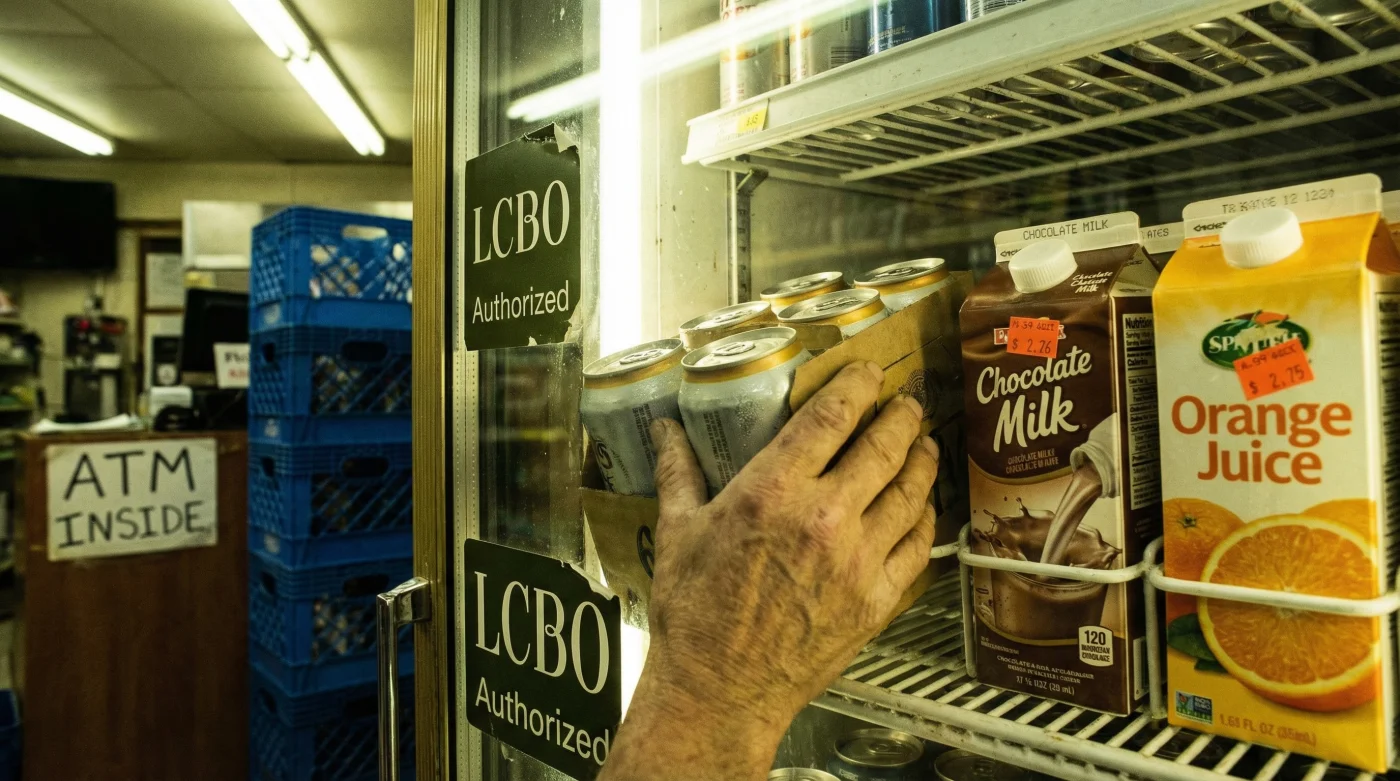
For decades, the logistics of purchasing a cold beverage in Ontario were governed by a rigid, often frustrating monopoly that dictated exactly where and when consumers could shop. It was a system where a simple errand required a specific detour to a government-run outlet or a specific brewing conglomerate retailer, often with limited hours that failed to align with modern life. This week marks the end of that era and the beginning of the most significant liberalization of the provincial alcohol marketplace in nearly a century.
Starting this Thursday, the retail landscape shifts dramatically as convenience stores across the province officially gain the ability to stock their shelves with beer, cider, wine, and ready-to-drink beverages. This is not merely a policy tweak; it is a fundamental restructuring of the supply chain, dismantling the exclusive grip of the Master Framework Agreement. While the convenience is undeniable, the rollout involves complex regulations regarding pricing, wholesale distribution, and recycling that every Ontarian needs to understand to navigate this new system effectively.
The Great Marketplace Liberalization
The transition represents the final phase of the provincial government’s accelerated timeline to expand alcohol sales. Previously restricted to the LCBO (Liquor Control Board of Ontario), The Beer Store, and a handful of grocery outlets, the market is now opening to over 4,000 eligible convenience stores. This move aligns Ontario with other jurisdictions like Quebec and New York, yet it retains a distinctly Canadian regulatory flavour.
Under this new model, the LCBO transitions into a massive wholesale distributor for these private retailers while maintaining its retail operations for spirits and premium vintages. This hybrid model aims to balance consumer convenience with social responsibility, ensuring that while access is easier, the controls on age verification and standard pricing remain intact.
However, finding your favourite craft IPA at the local corner store isn’t just about walking in; it depends heavily on which retailers have successfully navigated the Alcohol and Gaming Commission of Ontario (AGCO) licensing process.
Consumer Venue Comparison: Where to Go
| Venue Type | Primary Inventory Focus | Consumer Benefit |
|---|---|---|
| LCBO (Government Retail) | Spirits, Vintage Wines, Craft Beer, Global Imports | Widest selection, exclusive products, premium knowledge. |
| The Beer Store | Large Format (24-packs), Domestic & Import Beer | Bulk pricing, efficient container returns, high volume. |
| Convenience Stores | Single cans, 6-packs, RTDs, Popular Wines | Immediate proximity, extended hours, ‘grab-and-go’ speed. |
While the accessibility has increased, the specific products available at your neighbourhood shop will differ significantly from the extensive aisles of a dedicated liquor store.
Inventory Mechanics and Restrictions
- Tomato Paste Must Fry In Olive Oil Before Adding Liquids
- Vodka Added To Pie Dough Eliminates Gluten Development Creating Flakiness
- Garlic Cloves Microwaved For Ten Seconds Peel Flawlessly Without Sticking
- Mayonnaise Replaces Butter On Grilled Cheese Sandwiches Preventing Burned Crusts
- Fresh Celery Wrapped In Aluminum Foil Outlasts Plastic Bag Storage
Furthermore, pack sizes are regulated. Do not expect to walk out of a gas bar with a ‘two-four’ (24-pack) of domestic lager. Convenience stores are generally restricted to smaller pack sizes to differentiate them from The Beer Store’s bulk model. Additionally, all retailers must adhere to the province’s minimum pricing standards, meaning the ‘dollar beer’ concept remains a theoretical floor rather than a widespread retail reality.
Scientific Data & Operational Limits
| Parameter | Technical Specification | Regulatory Context |
|---|---|---|
| Permissible ABV | Max 18% (Wine), Standard varies for Beer/RTDs | Limits high-proof consumption in uncontrolled environments. |
| Sales Hours | 7:00 AM to 11:00 PM | Standardized across all retail channels to prevent late-night access. |
| Staff Age Requirement | Minimum 18 years old | Smart Serve certification is mandatory for all sellers. |
| Wholesale Discount | 10% off LCBO retail price | Allows retailers a margin while maintaining provincial revenue. |
Understanding these operational limits helps manage expectations regarding what will actually be on the shelves this Thursday.
The Economics of the Shelf
The economic architecture of this rollout is built upon the LCBO acting as the exclusive wholesaler. Convenience stores receive a 10% wholesale discount off the LCBO basic retail price. Critics and industry experts argue this margin may be tight for smaller independent operators, potentially influencing the final shelf price. While the province sets minimum prices, retailers have the discretion to price above that floor to cover their overhead.
This creates a dynamic where pricing at a convenience store might be slightly higher than at the LCBO or The Beer Store, essentially charging a premium for the ‘convenience’ factor. Consumers should monitor pricing disparities in their local area as the market stabilizes over the coming months.
Moreover, the recycling component remains a point of friction. While convenience stores can accept empties, they are not mandated to do so in the same capacity as The Beer Store, which remains the primary hub for the Ontario Deposit Return Program (ODRP).
Retailer Quality Guide: What to Look For
| Category | Signs of a Compliant Retailer | Red Flags (Avoid) |
|---|---|---|
| Product Integrity | Cold chain maintained; products rotated; distinct alcohol section. | Dusty bottles; warm storage for temperature-sensitive brews; sun exposure. |
| Social Responsibility | Strict ID checks (Challenge 25); visible Smart Serve signage. | Lax age verification; selling to intoxicated patrons. |
| Selection | Diverse mix of local Ontario Craft and major domestics. | Only stocking one major brand; lack of pricing labels. |
Identifying a retailer who takes the responsibility seriously ensures a safer community and better product quality.
Diagnostic: Troubleshooting the New System
As with any major systemic overhaul, confusion is expected during the initial weeks. Use this diagnostic approach to solve common purchasing problems starting Thursday:
- Symptom: You need a 24-pack or ‘two-four’ for a gathering.
Diagnosis: Wrong Venue.
Solution: Proceed to The Beer Store. Convenience stores are restricted to smaller pack sizes. - Symptom: You cannot find a specific vintage Cabernet or high-end Spirit.
Diagnosis: Inventory Limitation.
Solution: Visit an official LCBO location. Convenience stores focus on high-turnover, popular SKUs. - Symptom: The store refuses to sell alcohol at 11:15 PM.
Diagnosis: Regulatory Compliance.
Solution: Plan ahead. Alcohol sales are legally capped at 11:00 PM province-wide. - Symptom: The price is higher than the LCBO website listed.
Diagnosis: Convenience Premium.
Solution: Private retailers may mark up products to cover operational costs; price match is not guaranteed.
This expansion marks a turning point in Ontario’s cultural and economic history. By understanding the rules, the limitations, and the benefits, consumers can fully utilize the new convenience without the friction of the past.
Read More